explore Dedham Home Appraisal
Navigating Home Appraisal: What to Expect and How to Be Ready
Grasping residential appraisals is essential for all parties engaged in real estate transactions. These evaluations offer an impartial measure of a home's worth, influencing decisions on purchasing, selling, or refinancing. Property owners and purchasers frequently wonder about what to expect and how to get ready. Recognizing the important criteria that appraisers assess can considerably affect the outcome. As the appraisal proceeds, a number of misunderstandings may surface that could shape expectations and strategies. What are these myths, and how can they be navigated?
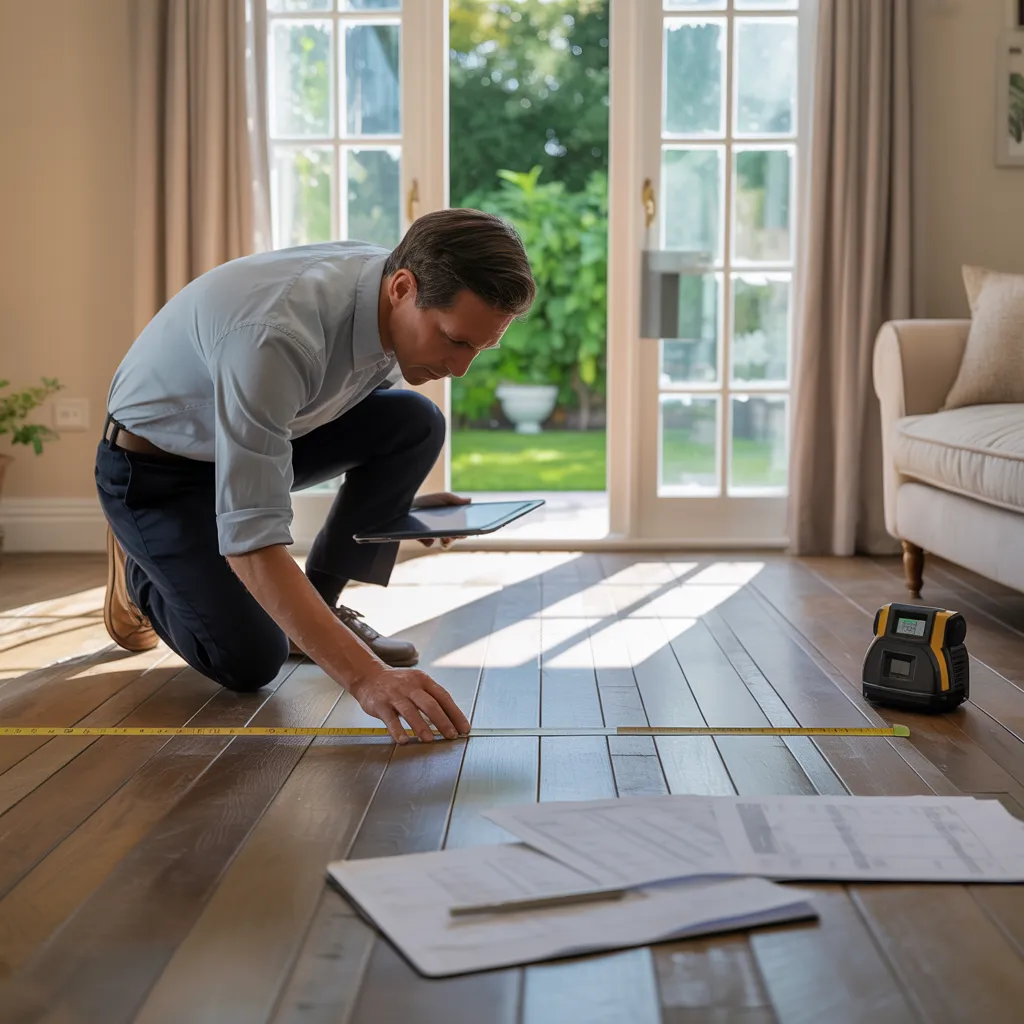
Comprehending Property Appraisals: Overview and Relevance
A residential appraisal functions as an important assessment in the home buying and selling process, providing an objective estimate of a property's fair value. This appraisal is commonly carried out by a licensed appraiser who examines the home, analyzes comparable sales, and evaluates the local real estate market. The appraisal document plays a significant role in numerous dealings, including purchasing, listing, and refinancing homes. It ensures that all parties including buyers and lenders have a solid grasp of the property's worth, helping to prevent excessive payments or insufficient financing. Moreover, appraisals can also influence tax evaluations and insurance requirements. By defining a accurate market worth, appraisals promote a transparent and efficient real estate market. In conclusion, appreciating the significance of residential appraisals is crucial for property owners and investors, as it serves as a foundation for sound judgment in real estate transactions.
Criteria Appraisers Review in Home Appraisals
During home appraisals, multiple critical elements impact the ultimate property value. The geographical position of the property is of great importance, as it affects market demand and accessibility. Furthermore, the overall state of the property is carefully evaluated to establish its market worth and identify necessary improvements.
The Importance of Property Location
Property location serves as a critical determinant in home appraisals, influencing overall value and buyer interest. Appraisers assess numerous elements of the area, including nearness to facilities including schools, shopping districts, and green spaces. Neighborhood safety, access to public transportation, and local employment opportunities also play important roles in assessing a home's overall value. Furthermore, the general visual appeal of the neighborhood, including greenery and structural design, can influence buyer sentiment and interest. Appraisers frequently perform a comparative evaluation of comparable properties nearby, taking into account recent transactions and prevailing market conditions. At the end of the day, the appeal of the location can considerably increase or decrease a property's market value, rendering it a crucial consideration in the appraisal process.
Home State Evaluation
The condition of a home greatly impacts the appraisal process, as it demonstrates the overall quality and upkeep of the property. Appraisers examine both the inside and outside aspects of the home, including plumbing, electrical systems, structural integrity, and roofing. They also take into account the condition of appliances and fixtures, as well as any necessary repairs. Landscaping and curb appeal are factors in determining overall desirability. Moreover, the presence of hazardous conditions, such as pests or mold, can adversely impact the property's appraisal value. The appraiser may also factor in the home's age, as older homes may demand greater maintenance. At the end of the day, a properly maintained home typically commands a higher overall appraisal value, while poor upkeep can substantially diminish it.
Preparing Your Home for an Appraisal
Achieving a successful home appraisal depends on careful preparation. Homeowners should begin by removing clutter and deep cleaning the property, crafting an appealing setting that emphasizes its most attractive attributes. Making certain that all outstanding repairs are finished—including repairing dripping faucets or filling cracks in walls—may significantly impact the appraiser's assessment of the property's worth.
Moreover, taking care of the exterior by maintaining the lawn, pruning shrubs, and sweeping walkways increases the property's curb appeal. Sellers should also gather important documents, including previous appraisal reports, tax history, and documentation for recent renovations, to give the appraiser insight into the real estate appraiser.
In addition, creating a comfortable environment is essential; homeowners should confirm that the property is accessible and that pets are secured during the appraisal. By adhering to these guidelines, homeowners can maximize their chances of achieving a favorable appraisal outcome.
Misconceptions About Home Appraisals You Shouldn't Believe
Many misconceptions are associated with the home appraisal process, commonly resulting in misunderstanding and false assumptions. One widely held belief is that appraisers are swayed by the homeowner's personal views or feelings regarding property value. In fact, appraisers follow impartial standards and market information. An additional myth is that a greater selling price ensures a higher appraisal. This is misleading, as appraisals are founded upon comparable sales and current market conditions, not the listing price. Moreover, some think that home improvements consistently add value; however, not every renovation generates a financial return. Finally, many presume that appraisals are solely for buyers, but they are equally beneficial for sellers, lenders, and investors in identifying true market value. Being aware of these misconceptions can help individuals approach the appraisal process with realistic expectations and a more informed perspective.
What Takes Place During a Home Appraisal?
In the course of a residential appraisal, the appraiser serves a critical function in assessing the home's market value. Several key factors, including the condition of the home and area market patterns, are thoroughly examined. The appraisal process commonly involves defined procedures to guarantee an precise evaluation.
Explaining the Appraiser's Role
Home appraisers play a vital role in determining a home's fair market value, utilizing a structured approach to evaluate multiple factors. They begin by inspecting the property, noting its dimensions, state, and notable features. They carefully assess the immediate surroundings, taking into account neighborhood characteristics and local market trends. They gather data from similar properties to set a standard for determining value. Appraisers additionally examine any enhancements completed on the home, making sure these changes are properly reflected in the total valuation. Across the appraisal process, their goal is to provide an unbiased and objective assessment. Upon finishing their evaluation, appraisers compile their findings into a comprehensive report, which acts as an essential reference for lenders, buyers, and sellers during real estate dealings.
Critical Factors Examined
While appraisals may differ from one to another, a number of essential factors are routinely assessed to calculate the value of a property. First, the appraiser evaluates the property's geographical position, including neighborhood characteristics and proximity to amenities. Following that, the size and condition of the home are assessed, focusing on the total square footage, the structural soundness, and any required repairs. The number of bedrooms and bathrooms also plays a significant role. Additionally, area sales of comparable homes, or \"market comparables,\" are analyzed, providing context for the property's market value. Lastly, the appraiser considers any unique features or upgrades, such as renovations or energy-efficient systems, which may increase the home's desirability. These factors collectively contribute to a thorough valuation, helping buyers, sellers, and lenders make informed decisions.
Common Appraisal Process Steps
The appraisal process proceeds through a series of methodical steps that ensure a precise valuation of the property. Initially, the appraiser gathers relevant information, encompassing the property's address and ownership information. Following this, a physical inspection is performed, during which the appraiser assesses both the interior and exterior, noting condition, size, and unique features. Following this, the appraiser researches comparable properties, studying recent sales in the area to assess market value. After compiling all data, they apply appropriate valuation methods, including the cost approach or sales comparison approach. Ultimately, a comprehensive report is produced, detailing findings and establishing a final appraisal value. This systematic approach guarantees a reliable and uniform property valuation.
What to Do Next After Your Home Appraisal Results
Getting the results of a home appraisal can trigger a mix of emotions, from comfort to anxiety. Once the results are in, homeowners should begin by taking the time to review the appraisal report in detail, paying attention to the appraiser's comments and conclusions. If the appraisal meets or exceeds expectations, they can continue with their intended course of action, whether looking to sell the property or secure a refinance.
If the appraisal comes in below expectations, homeowners have several options. They can review the findings alongside their real estate agent or lender to look into available next steps, such as contesting the appraisal or presenting further evidence to support an increased value. It may also be advantageous to mandarinpalace gather comparable sales data to strengthen their case.
At the end of the day, comprehending the impact of the appraisal findings is critical. Homeowners are encouraged to stay diligent, whether continuing with their objectives or tackling any disparities that might influence their financial outcomes.
Commonly Asked Questions
What Is the Average Time Frame for a Home Appraisal?
A home appraisal typically takes 30 minutes to two hours on average. Factors such as property size, overall complexity, and geographic location can influence the length of the process, with additional time needed for preparing the report afterward.
Is It Possible for Me to Be Present During the Appraisal?
In most cases, homeowners are usually permitted to remain present during the appraisal. Nonetheless, it's advisable to keep a low profile, allowing the appraiser to carry out a detailed inspection without unnecessary interruptions that could impact their evaluation.
What Occurs if My Home Appraisal Comes in Below Expectations?
If a home appraises for less than expected, the homeowner might have to enter into negotiations with the buyer, consider lowering the sale price, or tackle potential financing obstacles, which could result in a postponed sale or the need for extra funds.
Do Appraisers Hold Licenses or Professional Certifications?
Appraisers are typically certified or licensed experts, adhering to established state guidelines and requirements. Their certifications confirm they possess the essential knowledge and competencies to evaluate properties accurately and impartially, preserving trust and integrity throughout the real estate industry.
How Often Should I Get My Home Appraised?
Property owners ought to consider getting their home assessed every three-to-five-year cycle, especially after substantial upgrades, shifts in the market, or if planning to list the property. Regular appraisals help maintain an reliable picture of a property's worth.